
Why HOA Gate Access Projects Should Start With Questions
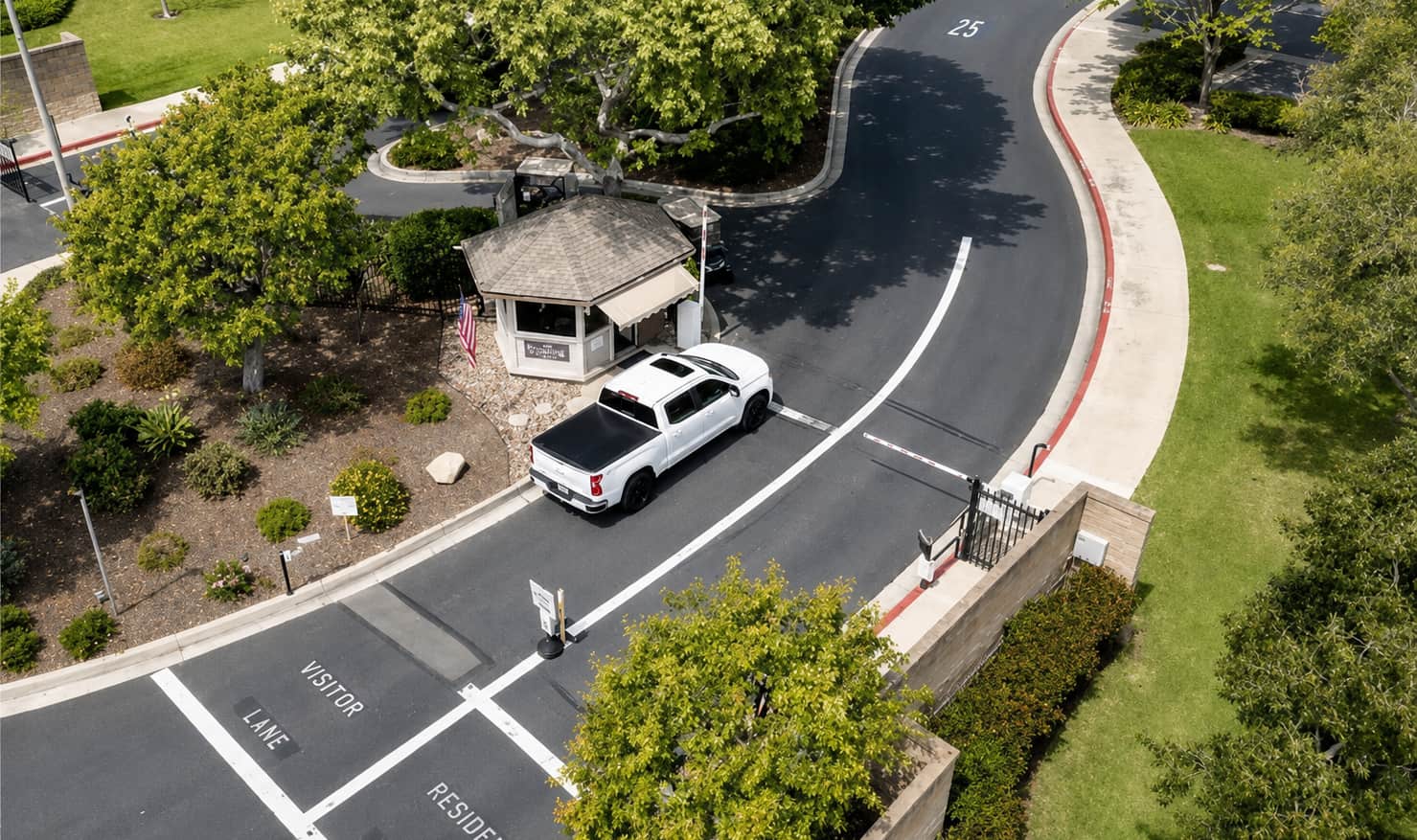
Food deliveries, grandparents stopping by unexpectedly, contractors arriving early, caregivers, dog walkers, and friends all ended up sitting at the gate waiting for someone to let them in. Residents scrambled to answer intercom calls, search for gate codes, or contact the management office because there was no simple way to grant access on the fly.
Ironically, actual unauthorized entry attempts were rare. The daily frustration came from legitimate visitors being delayed while residents and staff spent unnecessary time trying to get them through the gate.
If the board had issued an RFP focused only on “improving security,” they likely would have purchased a system that made the problem even worse. The better question wasn’t, How do we stop more people? It was, How do we make it effortless for the right people to get in while keeping everyone else out?
That experience reinforced something I’ve learned throughout more than 25 years in the security industry: successful access control projects don’t begin with technology. They begin with asking the right questions.
Throughout my career, I’ve worked with organizations ranging from state and local government agencies to transportation authorities, healthcare providers, financial institutions, and, more recently, gated communities. While every organization has different priorities, one lesson remains consistent: the success of an access control project depends far more on planning than on the technology itself.
When an HOA decides it’s time to upgrade its access control system, the first instinct is often to compare products. Boards begin evaluating cameras, visitor management software, mobile apps, and gate hardware. Those features certainly matter, but they’re not the best place to start.
A well-written Request for Proposal (RFP) defines what the community wants to accomplish before vendors begin proposing solutions. The better the questions, the better the proposals.
Here are eight questions every HOA board should answer before issuing an access control RFP.
1. What Problems Is the HOA Really Trying to Solve: Security, Convenience, Cost, Visitor Control, or Auditability?
Some communities are concerned about unauthorized vehicles entering the property. Others are dealing with long wait times at the gate during busy hours. Some are looking to reduce operating costs, while others want to improve the experience for residents and visitors.
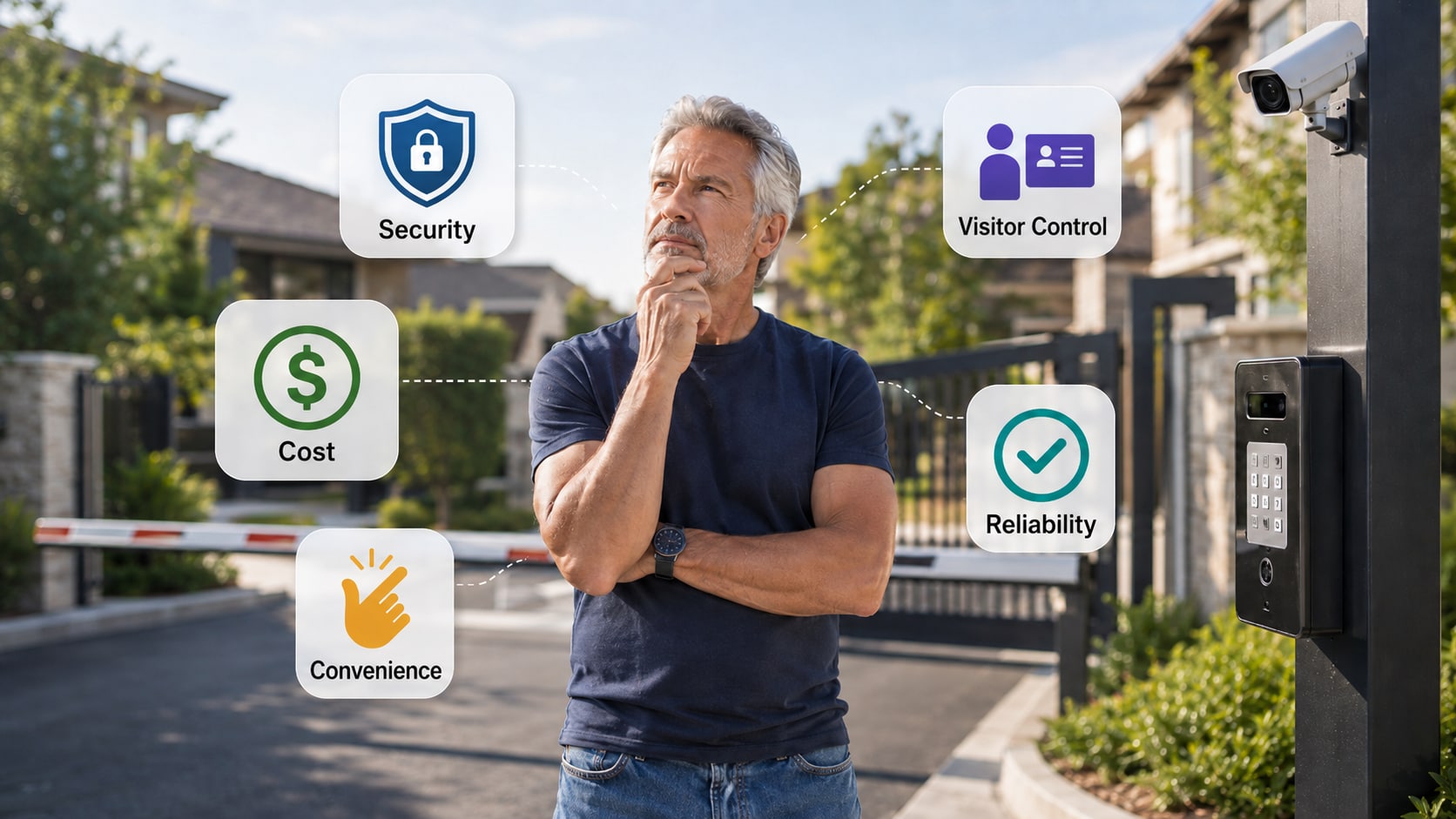
A successful RFP starts with clearly defined goals. Whether your priority is improving security, increasing convenience, reducing costs, or streamlining visitor management, agreeing on those objectives first will lead to better conversations with vendors and ultimately a better decision.
2. How Should Residents Enter Every Day: LPR, Remotes, RFID, Mobile Credentials, or a Hybrid System?
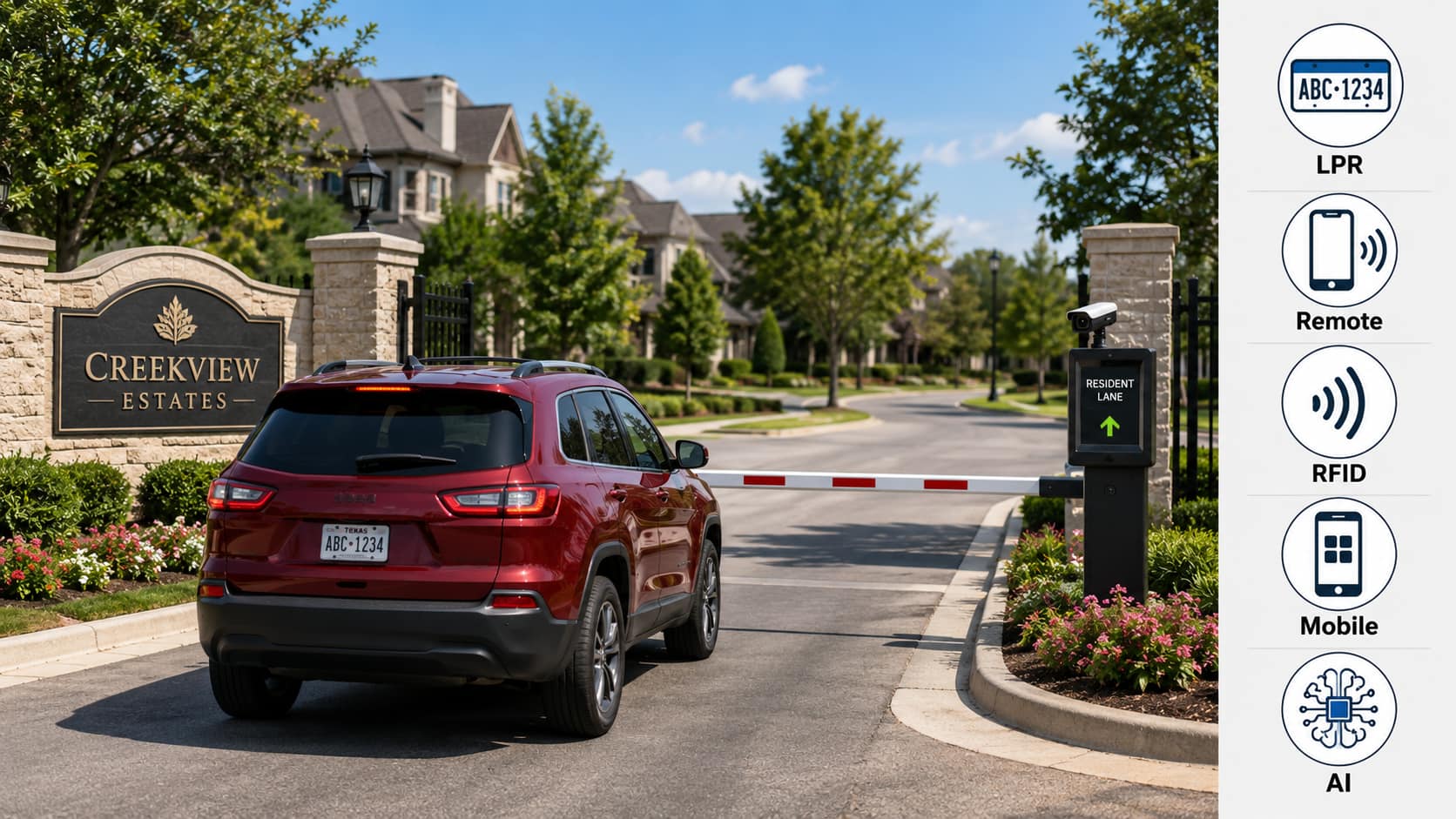
Before issuing your RFP, define what a better resident experience actually looks like. For example:
- Should residents be able to drive through the gate without stopping using License Plate Recognition (LPR)?
- Should family members, contractors, dog walkers, and housekeepers have their own permanent credentials instead of borrowing someone else’s?
- Should residents be able to grant temporary access for guests from their phone without contacting the management office?
- How quickly should emergency responders, school buses, and delivery vehicles be processed?
- What happens if a resident gets a new vehicle or a temporary rental car? How easily can access be updated?
- The more clearly you define the resident experience you’re trying to create, the easier it becomes for vendors to propose the right solution—and for your board to compare proposals based on something more meaningful than price alone.
Technology shouldn’t simply secure your community. It should make coming home effortless.
3. How Will Visitors, Deliveries, and Contractors Be Managed?
Every day, your entrance has to accommodate residents, expected guests, surprise visitors, package deliveries, ride-share drivers, contractors, caregivers, and recurring service providers. If those workflows aren’t clearly defined before issuing your RFP, vendors will make their own assumptions—and you’ll receive proposals that solve different problems.
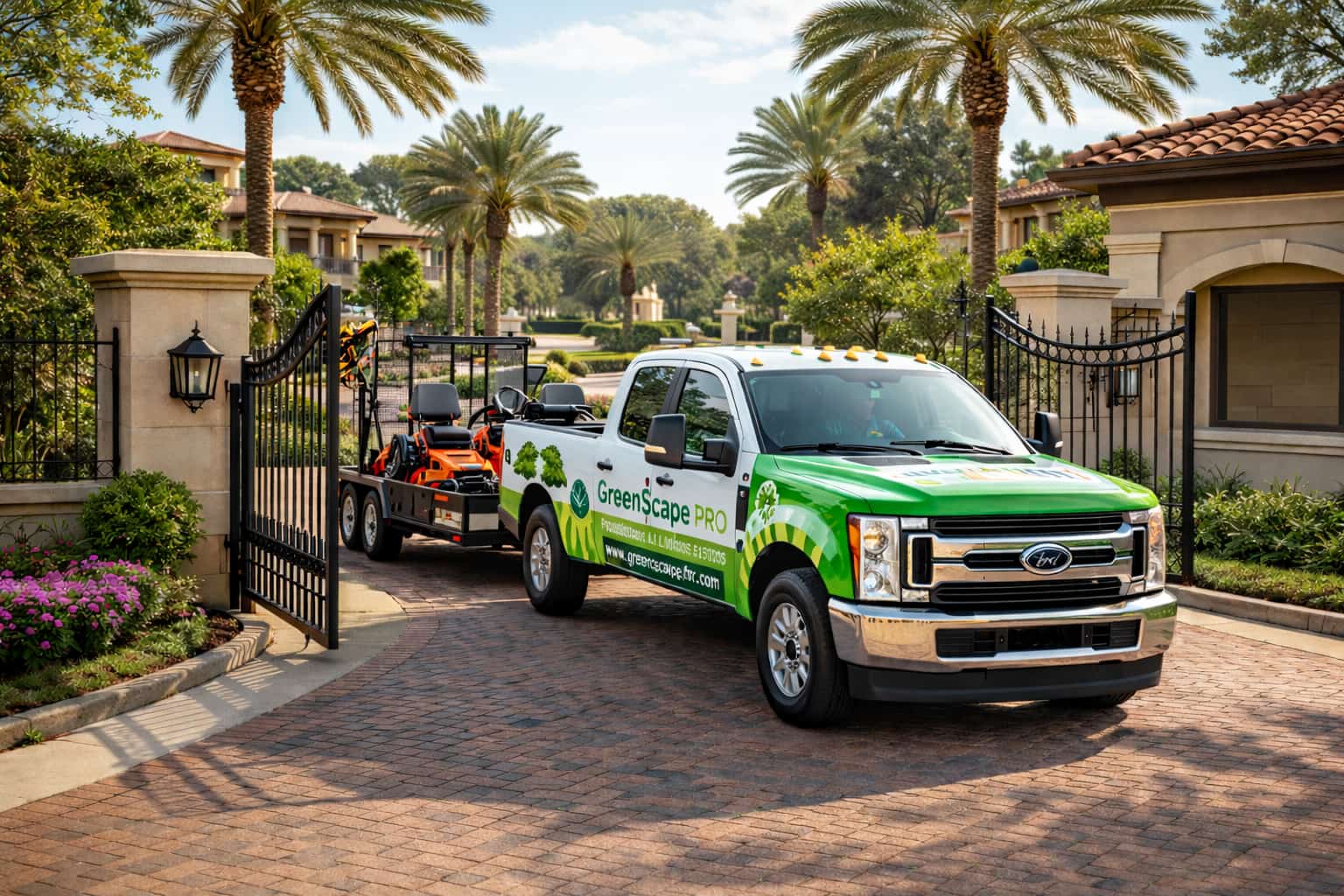
Before you ask vendors for pricing, document exactly how you want each of these groups to be handled:
- Expected guests invited by residents
- Unexpected visitors who arrive without advance notice
- Ride-share services such as Uber and Lyft
- Food delivery services like DoorDash, Uber Eats, and Grubhub
- Package carriers such as Amazon, UPS, FedEx, and USPS
- Recurring service providers, including housekeepers, dog walkers, landscapers, pool companies, and pest control
Caregivers and family members who visit frequently but don’t live in the community - Real estate agents showing homes and their clients
- Emergency responders when every second counts
During vendor demonstrations, don’t settle for hearing that the system “supports visitors.” Ask each vendor to demonstrate exactly how every one of these scenarios works—from the moment a vehicle arrives at the gate until access is granted or denied.
You’ll quickly discover that not all visitor management systems are created equal. The vendors that have carefully designed these everyday workflows will typically deliver a better resident experience, reduce calls to the management office, and require far less manual intervention over time.
4. How Will the System Handle Unwanted Visitors, Power Outages, and Emergencies?
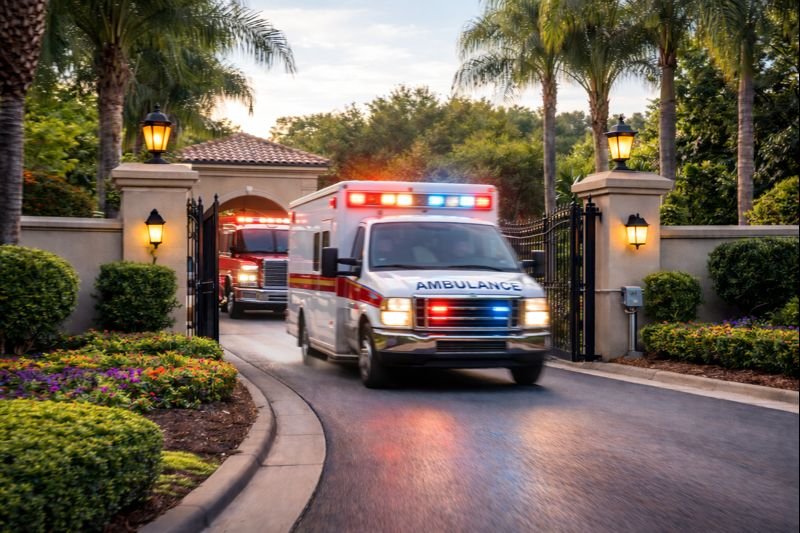
Boards should also ask how unwanted or restricted vehicles are handled. In some situations, the HOA may need to flag or block a specific vehicle, such as after an eviction, a security incident, a court order, or another documented restriction.
Emergency access deserves special attention. The board should understand how police, fire, EMS, and other first responders enter the property, what happens during a power or internet outage, who can manually override the gate, and what record is created when an override occurs.
Exception handling is not a side issue. It is often what determines whether residents, managers, and board members trust the system after installation.
5. What Is the 10-Year Cost of Ownership: Hardware, Software, Support, Maintenance, and Upgrades?
An access control system is a long-term investment and the purchase price is only one part of the puzzle.
Before issuing your RFP, ask vendors to provide a realistic 5- or 10-year cost of ownership that includes:
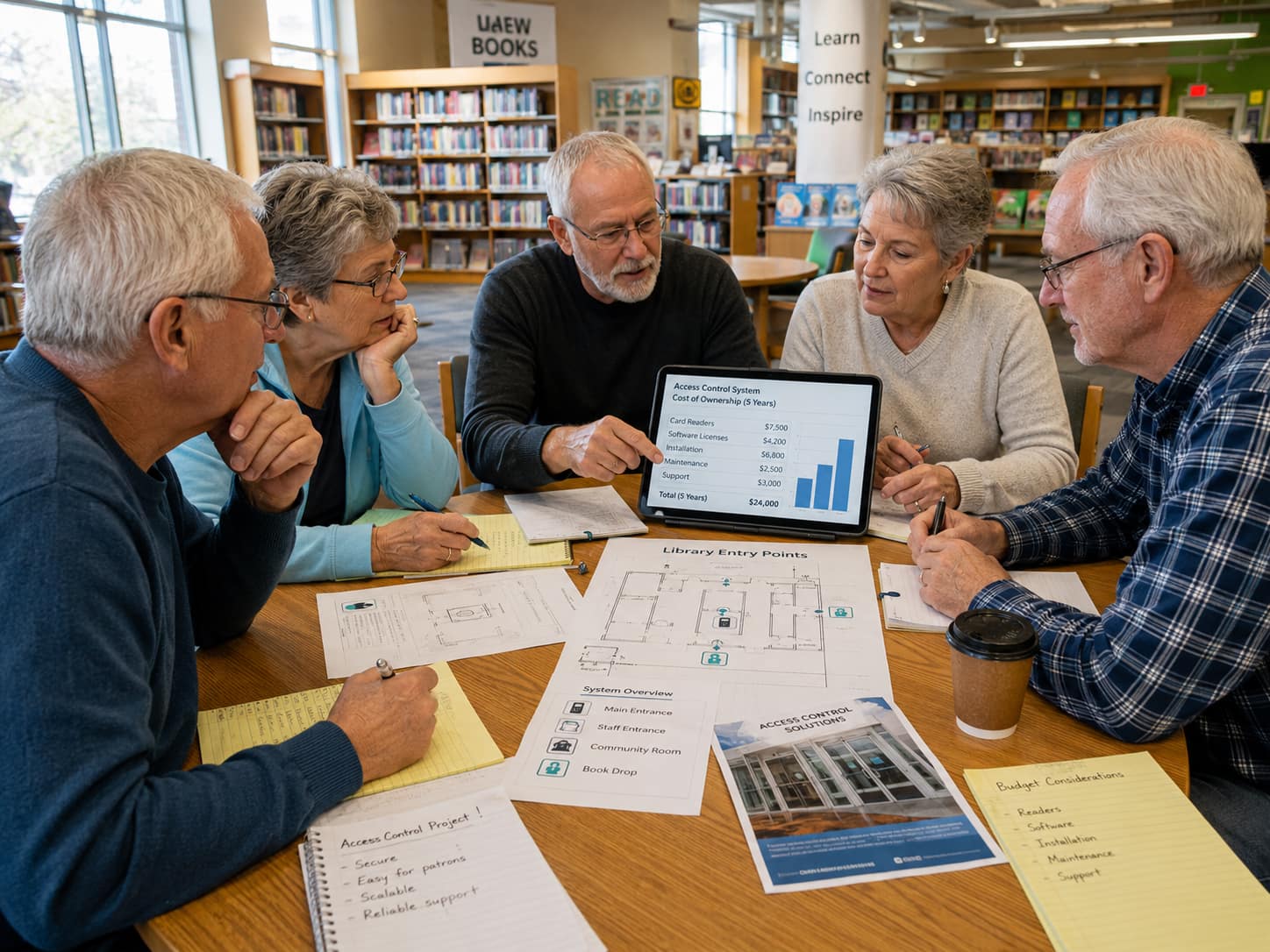
- Initial equipment and installation
- Annual software or cloud subscription fees
- Technical support and software updates
- Hardware warranties and replacement costs
- Preventive maintenance and service calls
- Future expansion costs for adding gates, lanes, or amenities
- Costs associated with replacing outdated hardware or unsupported software
- Don’t stop there. Consider the operational savings the system can deliver.
For example, can automation reduce or eliminate guard staffing? Will AI handle routine resident and visitor requests without involving the management office? Can License Plate Recognition (LPR) reduce gate backups, resident complaints, and support calls?
The best solution isn’t always the one with the lowest purchase price. It’s the one that delivers the lowest total cost of ownership while improving security, efficiency, and the resident experience over the next decade. A lower upfront cost doesn’t always translate into the best long-term value.
6. Can the System Grow with the Community, New Gates, New Amenities, and Changing Resident Expectations?
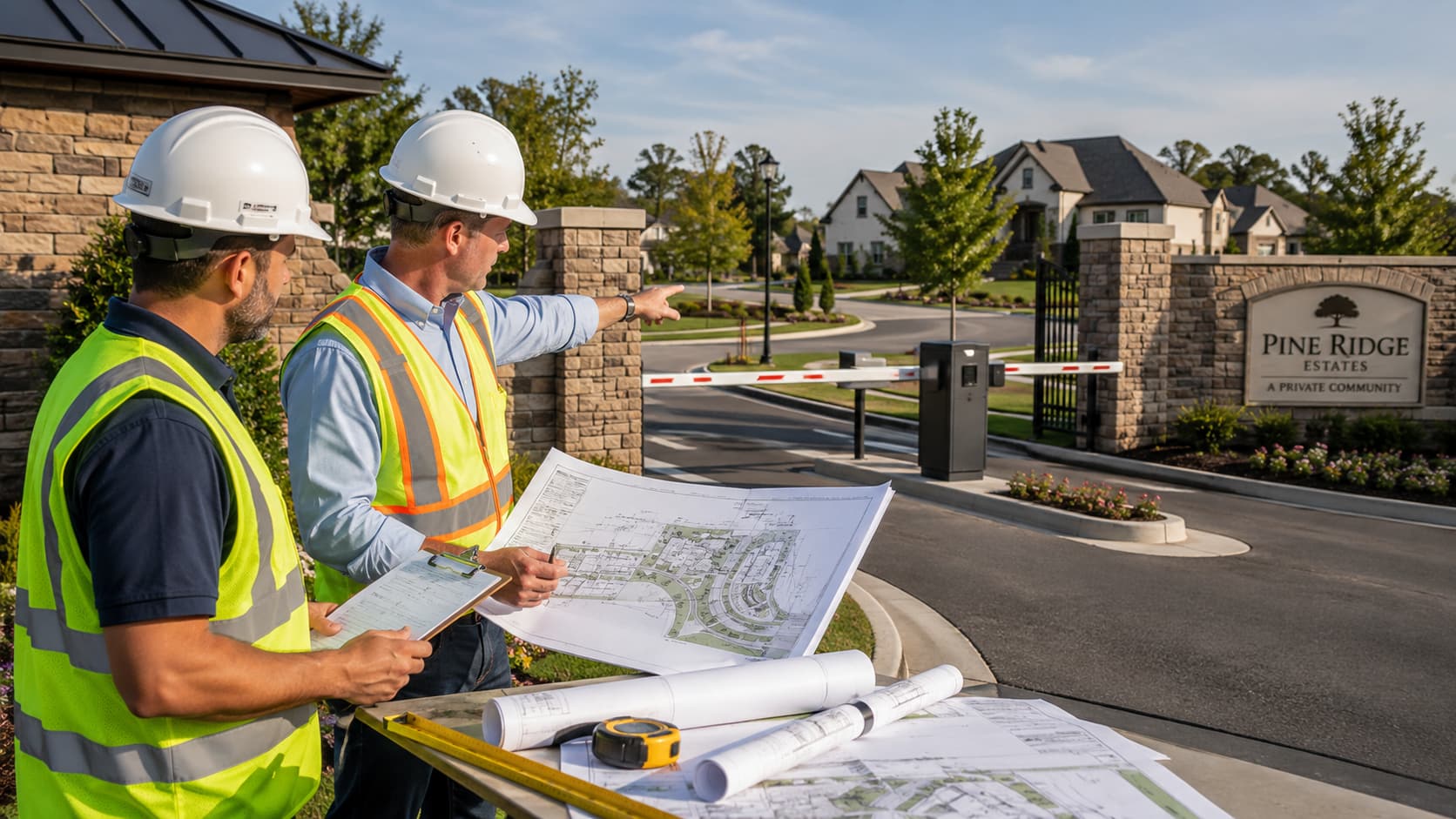
The goal is not to predict every technology change. It is to avoid locking the community into a system that solves today’s problem but cannot adapt when resident expectations, security needs, or available technology change a few years from now.
7. Will the HOA Have a Real Access Audit Trail After an Incident, Complaint, or Vendor Dispute?
A useful access-control system should do more than open the gate. It should preserve the record behind each access decision: the date and time, gate or lane, license plate image, resident or visitor association, access method, and whether access was granted, denied, or manually overridden.
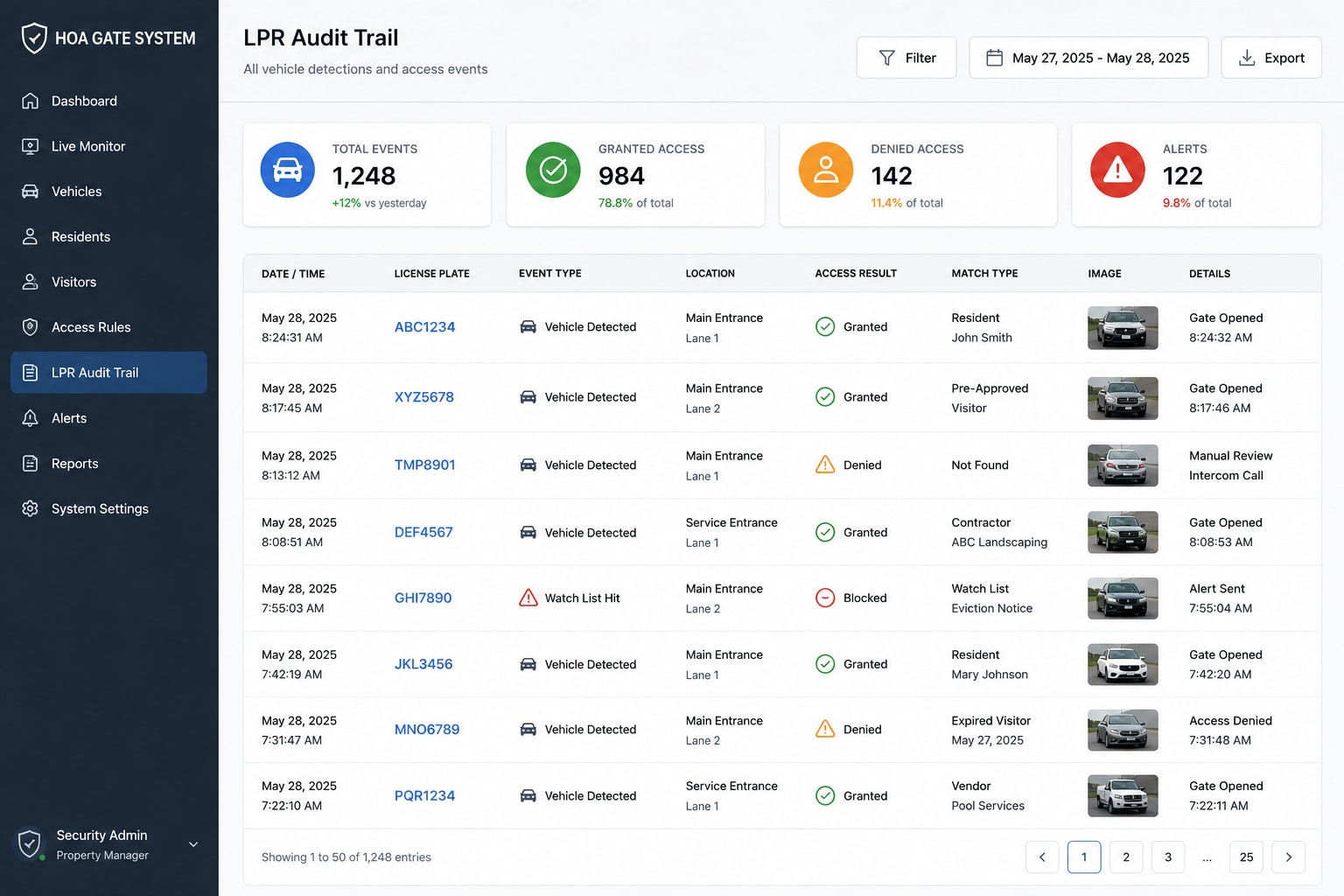
Good reporting is not just a convenience. It gives the HOA a practical way to answer questions, resolve disputes, identify patterns, and make better decisions based on real gate activity instead of guesswork.
8. How Will Residents Transition to the New System?
The best access control system can fail if residents don’t know how to use it. A successful transition begins long before the first gate goes live. Residents need to understand what’s changing, why it’s changing, and what they need to do before the new system is activated. Before issuing your RFP, define your onboarding plan and ask vendors how they will support it. Consider questions such as:
- How will resident and vehicle information be imported into the new system?
- How will new license plates, gate credentials, and visitor permissions be collected and verified?
- What training materials will residents receive?
- Will the vendor provide step-by-step guides, videos, or live training sessions?
- How will residents receive technical support during the transition?
- What happens if a resident forgets to register a new vehicle or purchases a replacement vehicle after the system is live?
The first few weeks after implementation are critical. A well-planned rollout—with clear communication, resident education, and responsive support—can dramatically reduce frustration and help residents quickly gain confidence in the new system. The goal isn’t simply to install new technology. It’s to ensure every resident can use it successfully from day one.
Final Thoughts - A Better HOA Access RFP Leads to a Better Gate System
Technology will continue to evolve, but the fundamentals of a successful project remain the same.
Over the course of my career, I have found that the most successful security projects are not necessarily the ones that begin with the most advanced technology. They are the ones that begin with a clear understanding of the problem, the people using the system, and the daily workflows the system must support.
For HOAs, that means looking beyond individual products and thinking carefully about how residents, visitors, vendors, contractors, delivery drivers, emergency responders, and management staff will actually use the gate every day.
At Inex, we specialize in HOA gate access for both residents and visitors. Our focus is not simply on providing a camera, an intercom, or a visitor app. It is on connecting the full access workflow: resident vehicle recognition, visitor approval, AI-assisted gate communication, gate-control integration, exception handling, and a clear audit trail when questions arise.
If your HOA answers these eight questions before issuing an access control RFP, you will receive better proposals, have more productive conversations with vendors, and be in a stronger position to select a system that serves your community for years to come.